How Priority Message Tagging Streamlines Customer Feedback Management
Every day, support teams face a flood of customer messages. Some are urgent, some are minor, and many fall somewhere in between. The challenge is not just reading them all, but deciding what to act on first. Over the years, I have watched teams try everything from color-coded labels in shared inboxes to elaborate spreadsheets that nobody updates. None of these approaches scale. What does work is a thoughtful system for organizing incoming feedback, and that is where priority message tagging comes in.
At its core, priority message tagging is a method for automatically categorizing and ranking customer requests based on their content and context. Instead of relying on individual judgment or manual triage, the system applies consistent rules to surface the most important conversations. This is not about replacing human intuition. It is about removing noise so that teams can focus their energy where it matters most.
I first encountered the need for this kind of approach while working with a mid-sized software company. Their customer success team was drowning in email. Every morning, the inbox held hundreds of messages, and the team spent the first two hours just sorting them. By the time they got to the high-value issues, half the day was gone. They needed a way to separate signal from noise, and they needed it to happen automatically.
Why Manual Tagging Falls Short
Manual tagging feels logical at first. Team members read each message, assign a category, and note a priority level. But in practice, it breaks down quickly. Different people interpret urgency differently. A message that one agent flags as critical might seem routine to another. Consistency erodes, and the data becomes unreliable.
There is also the time cost. Studies show that support agents spend up to thirty percent of their day just reading and sorting messages. That is time not spent solving problems or following up with customers. When you multiply that across a team, the lost productivity becomes staggering. Priority message tagging reduces that overhead by doing the first pass automatically.
Another issue is fatigue. After the fiftieth email, even the most diligent agent starts skimming. Important details get missed. Subtle cues about customer frustration or escalation risk go unnoticed. A good priority message tagging system catches those cues consistently, every time, because it does not get tired.
How Priority Message Tagging Works in Practice
Most modern systems, including Loopback priority message tagging, rely on a combination of rules and machine learning. The rules handle the straightforward cases. For example, any message containing the phrase "account suspended" or "security breach" can be tagged as high priority automatically. The machine learning component goes further by recognizing patterns that are not explicitly defined. It learns from past decisions and feedback, gradually improving its accuracy.
Over time, the system becomes attuned to the specific language and priorities of your team. It notices that messages mentioning a particular product feature tend to escalate, or that customers who write in all caps are not always angry, but those who use certain keywords usually are. This kind of nuance is hard to capture in a static rule set, but it emerges naturally from a well-trained model.
Practical Benefits for Customer-Facing Teams
The most immediate benefit of priority message tagging is faster response times. When the system flags a critical issue within seconds of arrival, the team can act before the customer even finishes typing. That kind of responsiveness builds trust and reduces churn.
But speed is only part of the story. Tagging also improves accountability. When every message carries a clear priority label, it becomes easy to track whether the right conversations are getting the right attention. Managers can see at a glance which issues are being handled and which are slipping through the cracks. This visibility supports better coaching and more informed resource allocation.
There is also a longer-term advantage. Tagged data creates a rich archive of customer sentiment and behavior. Over months, patterns emerge that can inform product development, marketing strategy, and customer experience improvements. A spike in low-priority complaints about a specific feature might signal a design problem that needs attention. Without the tagging structure, that signal would be lost in the noise.
Trade-offs and Judgment Calls
Priority message tagging is not a set-and-forget solution. It requires thoughtful setup and ongoing tuning. One common mistake is over-tagging. If everything is marked high priority, nothing is. Teams must define what "priority" means in their context and resist the urge to escalate minor issues. Another risk is relying too heavily on automation for something that still benefits from human judgment. The best systems blend machine suggestions with human review, especially for edge cases.
I have also seen teams struggle when the tagging system does not align with their workflow. If the tags do not map cleanly onto the categories agents use, the system creates more friction than it removes. The key is to involve the team in the design process. Ask them what kinds of signals they look for. Let them test the rules and give feedback. A system that feels like a partner, not a boss, is more likely to be adopted and trusted.
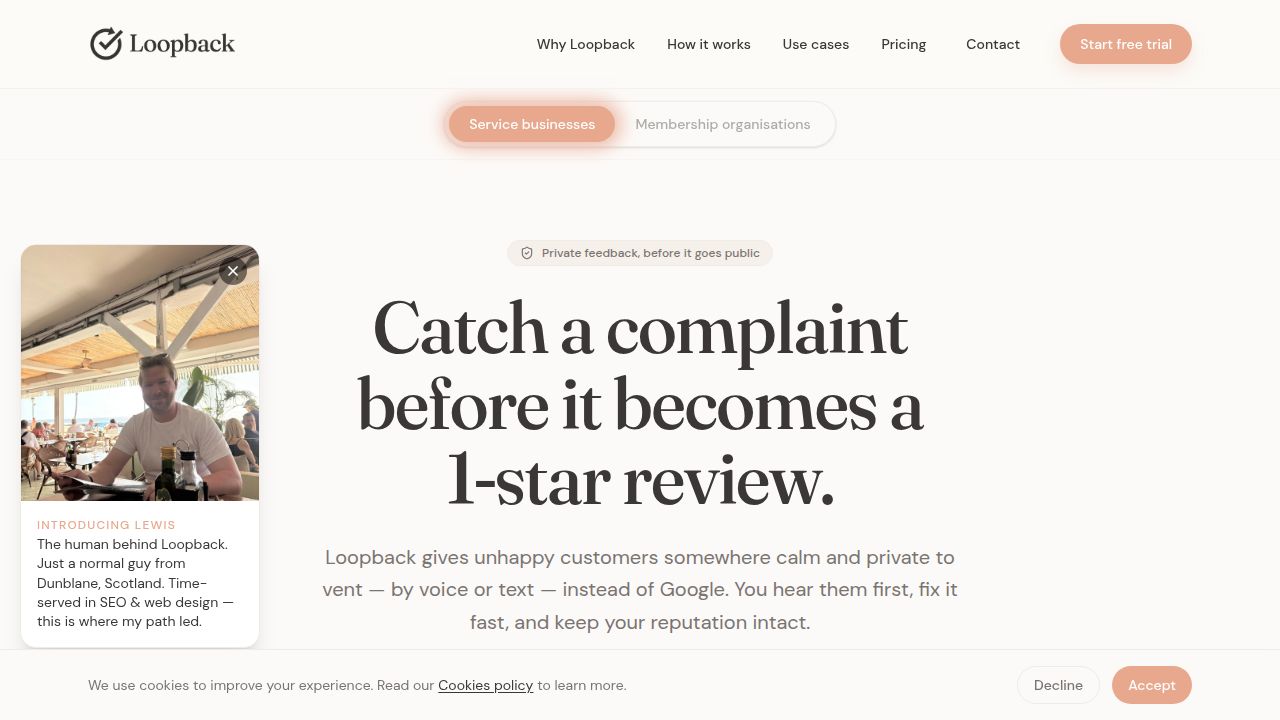
Building a Sustainable Feedback Loop
Priority message tagging is most powerful when it feeds back into the organization. The data it produces should not just sit in a dashboard. It should inform training, product changes, and process improvements. This is where the concept of a feedback loop becomes real.
Consider a customer who writes in with a bug report. The system tags it as high priority. The team responds quickly, fixes the bug, and closes the loop. But the system also logs the topic and frequency of such reports. Over time, the product team sees that a particular module generates an outsized number of high-priority tickets. They decide to invest in a redesign. That decision, rooted in tagged data, prevents future issues and reduces the support burden.
This kind of closed-loop thinking transforms tagging from a tactical tool into a strategic asset. It shifts the team from reactive firefighting to proactive improvement. And it builds a culture where every customer message, whether a five-star review or a furious complaint, becomes a source of learning.
Loopback priority message tagging supports this vision by combining automated classification with human oversight. The platform learns from every interaction, gradually refining its understanding of what matters to your team. It does not claim to read minds, but it does reduce the guesswork. Over time, the system becomes more accurate, and the team becomes more efficient.
I have seen teams cut their triage time in half within the first month of using a system like this. The savings compound. Agents feel less overwhelmed. Customers get faster, more relevant responses. And the organization gains a clearer picture of what its users actually need.
Getting Started with Priority Message Tagging
If you are considering implementing priority message tagging, start small. Pick one channel, email or chat, and one category, like urgent bugs or billing issues. Define clear criteria for what qualifies as high priority. Train the system on a few hundred examples, then test it against your team's manual judgment. Adjust as you go.
Involve your front-line team from the beginning. They are the ones who will use the tags every day. Their input on what feels helpful versus burdensome is invaluable. And do not expect perfection. A system that gets it right eighty percent of the time is still saving hours of manual work. The remaining twenty percent can be handled by human review.
Finally, keep an eye on the data. Track how often the system's priority tags match your team's decisions. Look for drift, where the system starts missing things it used to catch. Retrain periodically, especially after major product updates or shifts in customer behavior.
Priority message tagging is not a magic bullet. It is a practical tool that, when used well, makes customer feedback manageable and actionable. It respects the team's time and the customer's urgency. And it turns a chaotic stream of messages into a structured resource for improvement.
Loopback priority message tagging exemplifies this approach, but the principles apply broadly. The goal is not to automate away human judgment but to support it. When the system handles the sorting, the team can focus on the solving. That is a trade-off worth making.